
Empire Needs The Altar
From Avignon to Trump's AI Christ: what the 1,700-year pattern says happens next

Meaning is a resource. Like oil, like land, like water.
Emperors can command armies, conscript bodies, seize territory, control supply chains, and still lose everything if they cannot control what people believe their suffering is for.
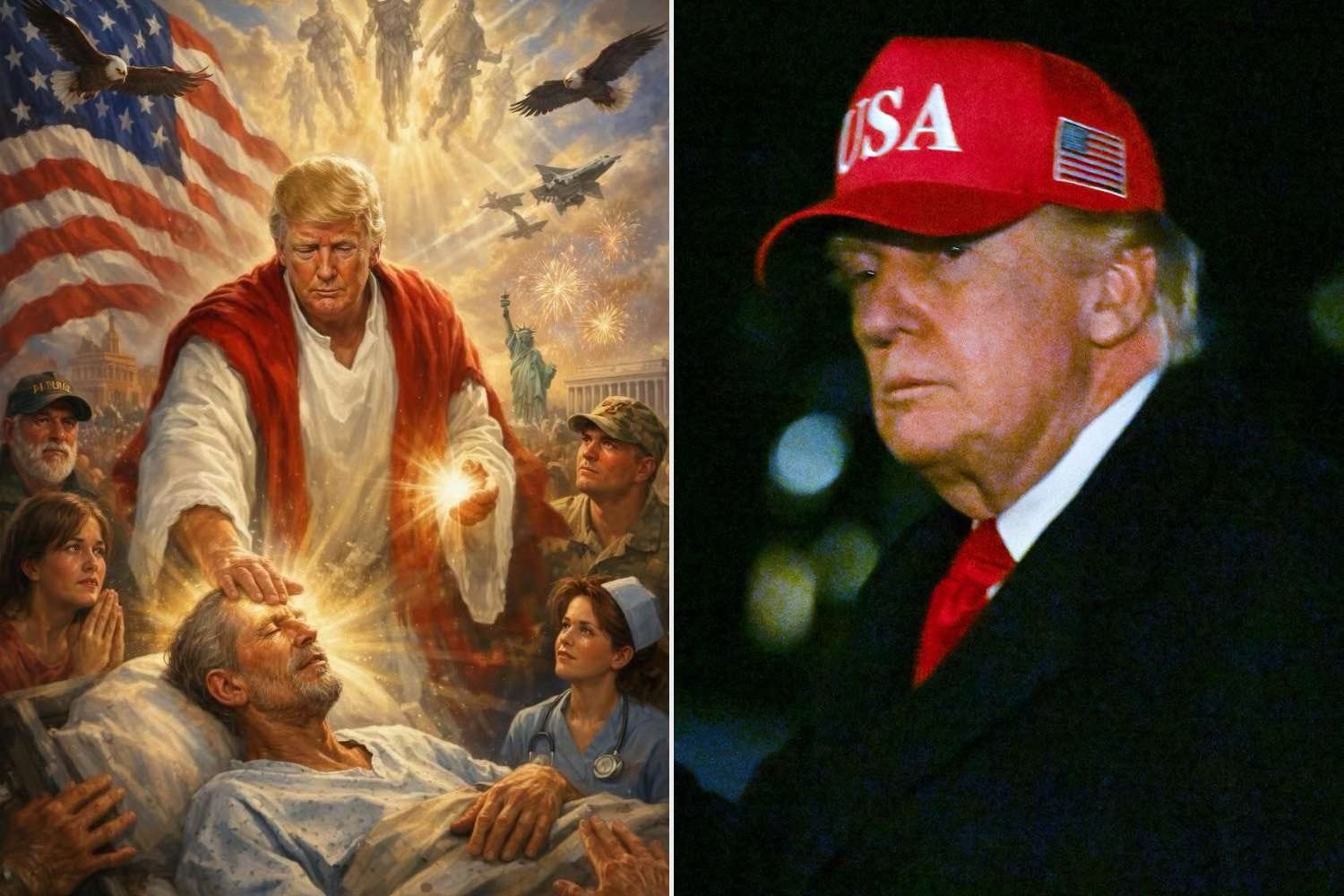
The church wields a power that the army cannot enforce: the authority to say God is on our side and have ordinary people believe it, to bless the war, to sanctify the border, to tell the poor that their poverty participates in the cross, to divert our attention from the evidence of empire’s crime. For 1,700 years, empire has tried to own the altar.
When Trump instructs Pope Leo on how to perform his office and posts himself as Leo’s new boss, he is not doing anything original. When senior Pentagon officials summoned Cardinal Christophe Pierre, the Pope’s ambassador to the US, and told him that US military will do whatever it wants, that Pope Leo had better take its side, and cited Avignon as a threat, empire is that old ex who never learned a new move:
1076: Henry IV tried to appoint his own bishops. Pope Gregory VII excommunicated him. The emperor installed his own Pope and drove Gregory VII into exile.
1303: The King of France wanted the church to serve French interests. The Pope declined. The King’s men broke into the Pope’s residence, beat him, and took him prisoner. The Pope was freed after three days but died in Rome a month later. The next Pope was French and a friend of the King. In 1309, he moved the papal court to Avignon, France. For seven consecutive popes, for nearly seventy years, the altar became a department of the crown that called the wars just and excommunicated the empire’s enemies.
1534: Henry VIII wanted an annulment the Pope wouldn’t give so he built his own church and made himself the head.
1809: Napoleon arrested the Pope, held him prisoner for 5 years. Pius VII refused to consecrate Napoleon’s empire. Napoleon called him an imbecile.
1929: Mussolini offered the Vatican a deal: recognition, sovereignty, stability. The church accepted and spent the next decade entangled in fascism’s crimes.
The church has always had two options:
1) Make one “reasonable” concession after another until it grants empire divine legitimacy, and establishes theological infrastructure for imperial ambition.
or
2) Refuse and become a target.
The conditions that produced Avignon took years to fully materialize. The church didn’t wake up captured.
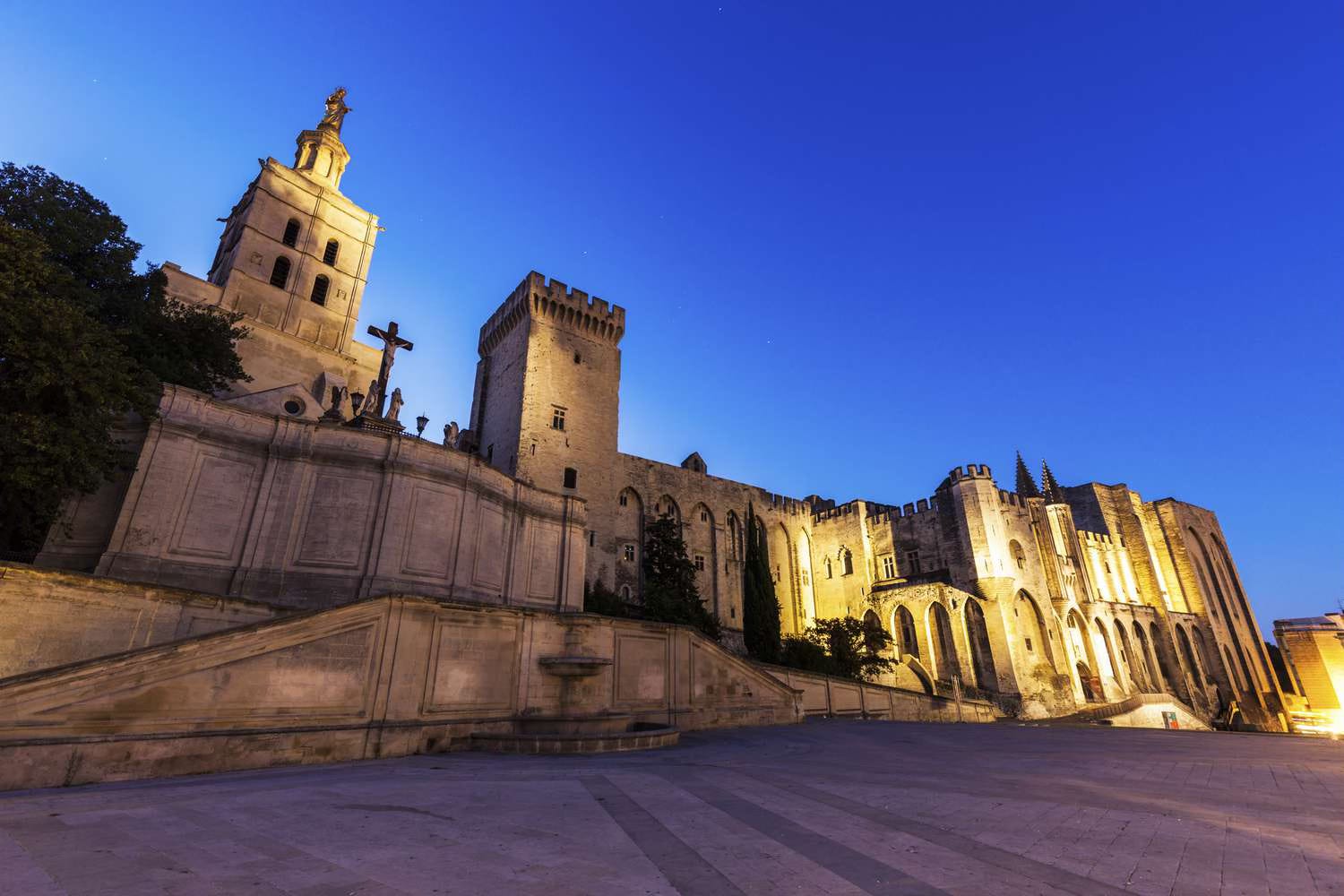
What ended Avignon was not a military victory or political revolution. The Papal States were in revolt. Gregory XI had political reasons to go back to Rome that had nothing to do with conscience.
The voice that moved him was not a king, not an army, not an institution.
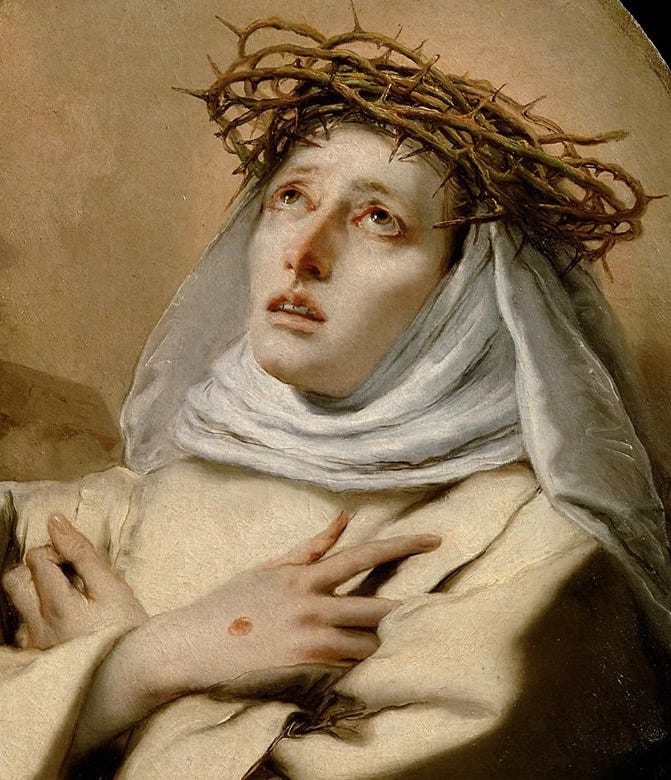
It was a female mystic from Siena who wrote letters. Catherine of Siena wrote to Gregory XI and called him a coward, said the church’s exile was a wound that would not heal until the papacy returned to itself. Gregory credited her and returned to Rome in 1377. The schism that followed would last another 40 years.
In 2026, this is what Avignon looks like.
The home of Christian imagination is being occupied. The icon is being overwritten. The wound being reopened now is ancient. It is the wound of displacement: of a church that has been singing in MAGA for so long it mistakes the melody for its own.
The first American Pope will not come home. Because what is calling itself home is erasing the cross he carries. The question for American Christians is not whether Trump is too blasphemous or Leo is too political, the question is whether you have already moved to Avignon without noticing, whether you have already made your peace with a church that blesses the flag.
The wound of exile is not only Leo’s. It belongs to every person who looked at the AI image and felt the fury of theft within. That altar within you is what empire is actually after. Pope Leo is not yielding. Neither did Catherine, who wrote to Gregory XI:
“Stay away from the bitterness that cripples, but take hold of the bitterness that strengthens—bitterness at seeing God's name insulted, and strength in the trust that God will provide for your needs.”
May we carry and name that bitterness until the altar returns to America.